Category Archives: Radio clubs

Tropospheric propagation at VHF

I have tried hard to get interest in VHF working through my talks at local radio clubs but without much success. Here is a little information for a wider audience.

Tropospheric propagation is a key mode of signal transmission in the VHF (Very High Frequency) and UHF (Ultra High Frequency) bands, particularly between 70 MHz (4-meter band) and 1296 MHz (1.2 GHz, or 23 cm band). Here’s a detailed overview tailored to these frequencies:


Tropospheric Propagation Basics

Tropospheric propagation refers to the bending (refraction), reflection, or ducting of radio waves in the lowest layer of Earth’s atmosphere — the troposphere (up to ~10-15 km altitude). Variations in temperature, pressure, and humidity create refractive index gradients that affect radio signals.


1. Tropospheric Refraction

  • Always present, but often weak.
  • Causes signals to bend slightly, extending line-of-sight range (~15–30% more).
  • Most noticeable in the lower VHF (e.g., 70 MHz) and UHF bands.

2. Tropospheric Ducting

  • Occurs under temperature inversions where warm air overlays cooler air.
  • Creates a “duct” that traps radio waves, enabling them to travel hundreds to over 1000 km.
  • Most common during high-pressure systems, especially over water or flat terrain.
  • Strongest on UHF bands (432 MHz and above), but noticeable at 144 MHz as well.
  • Can support 70 MHz contacts too, but less common due to the wavelength being more sensitive to terrain and atmospheric scattering.

3. Tropospheric Scattering

  • Weak propagation mode allowing signals to travel 100–500 km.
  • Caused by small-scale irregularities in the troposphere.
  • Common across all these bands, but requires high power and gain (especially above 432 MHz).
  • Used for beyond-line-of-sight links in commercial and military systems.

Frequency Dependence Overview

Frequency BandTroposcatterRefraction GainDucting PotentialNotes
70 MHzModerateGoodRare/WeakSimilar to HF/VHF hybrid behaviour
144 MHzGoodGoodOccasionalTropospheric openings can span hundreds of km
432 MHzVery GoodModerateFrequentStrong ducting over oceans or flat land
1.2 GHzExcellentLowerStrong/SharpSharp signal peaks, strong ducting but more line-of-sight dependence

Practical Implications for Radio Amateurs

  • DXing on 144 MHz and above often depends on tropospheric ducting — watch for high-pressure systems, especially over the sea.
  • Beacons and APRS networks are useful to monitor tropo openings.
  • Weather tools (like Hepburn maps or radiosonde data) can predict ducting potential.
  • Higher frequencies (e.g., 1.2 GHz) may experience “knife-edge” sharpness in ducting — strong signals or none at all.

🛰️ Tools for Monitoring & Forecasting


If you’re using modes like FT8, SSB, or CW, tropo can extend your range significantly. Narrowband digital modes are especially useful during marginal tropo conditions at 432 MHz and 1.2 GHz.

It is a common myth that VHF propagation is line of sight, but even under “flat” conditions this is simply not so. 400 km range is often possible given suitable power and antenna. Have a go if you haven’t, starting with 2 metres, SSB or CW!
My VHF Journey

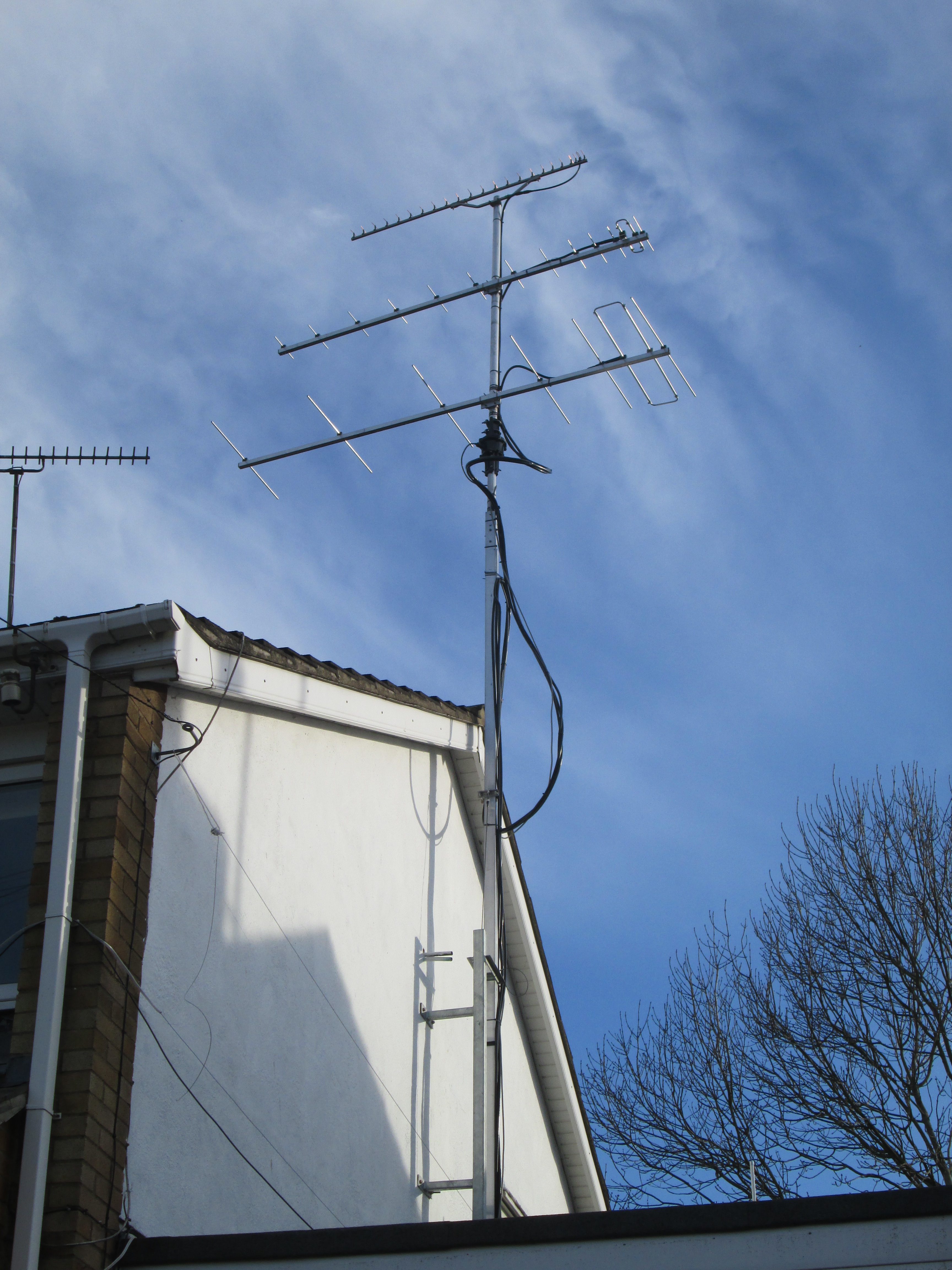
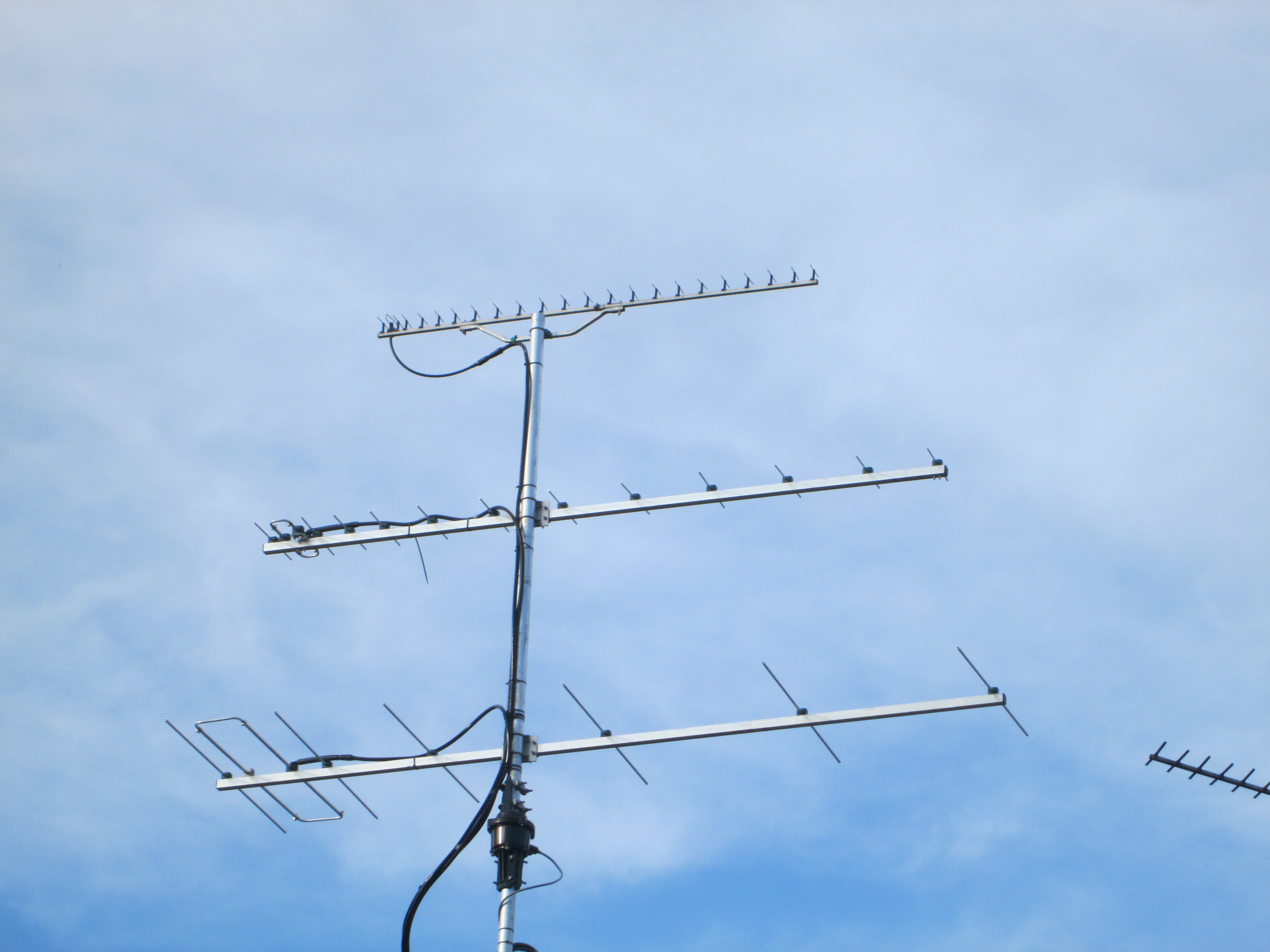
VHF antennas at G4MCU

In the last few weeks I have given my talk or presentation entitled “My VHF Journey” to two local radio clubs. This is a personal story explaining my starting out in amateur radio and how I came to enjoy mostly working VHF from my early days, and why I enjoy it now.

My primary interest is in working DX on 144MHz, 432 MHz and even 1296 MHz if conditions allow. I have quite a modest setup with regard to antennas as I do not have as much room or space for large arrays, but I do have an effective station for working VHF DX.

As a rule the club members have no idea what is available using SSB and CW on these bands. Their experience tends to be working FM simplex and repeaters on 2 and 70, and because of the licence changes new licensees have the freedom to use the HF bands, neglecting the opportunities to work any distance on the VHF bands. They are actually unaware or indeed ignorant of what they might achieve if they gave these bands a proper go with decent Yagi antennas. And no, these antennas do not have to be large. Mine aren’t.

I did my best to explain the joys of tropo, aurora and Sporadic E including the nature and the reasons these types of propagation occur.

Despite my best efforts I am not confident that my audiences understood or felt drawn to try the joys of working real radio at VHF. It is not even just about working the DX. Under flat conditions we can have quite long rag chews using SSB over distances much further than can be managed using FM.

It is not my place to tell any of my fellow radio amateurs what they should be doing, it is up to them However, after writing the presentation and speaking to the clubs I have the feeling I may failed to inspire anyone to have a go.

East Suffolk Wireless Revival Rally 2024

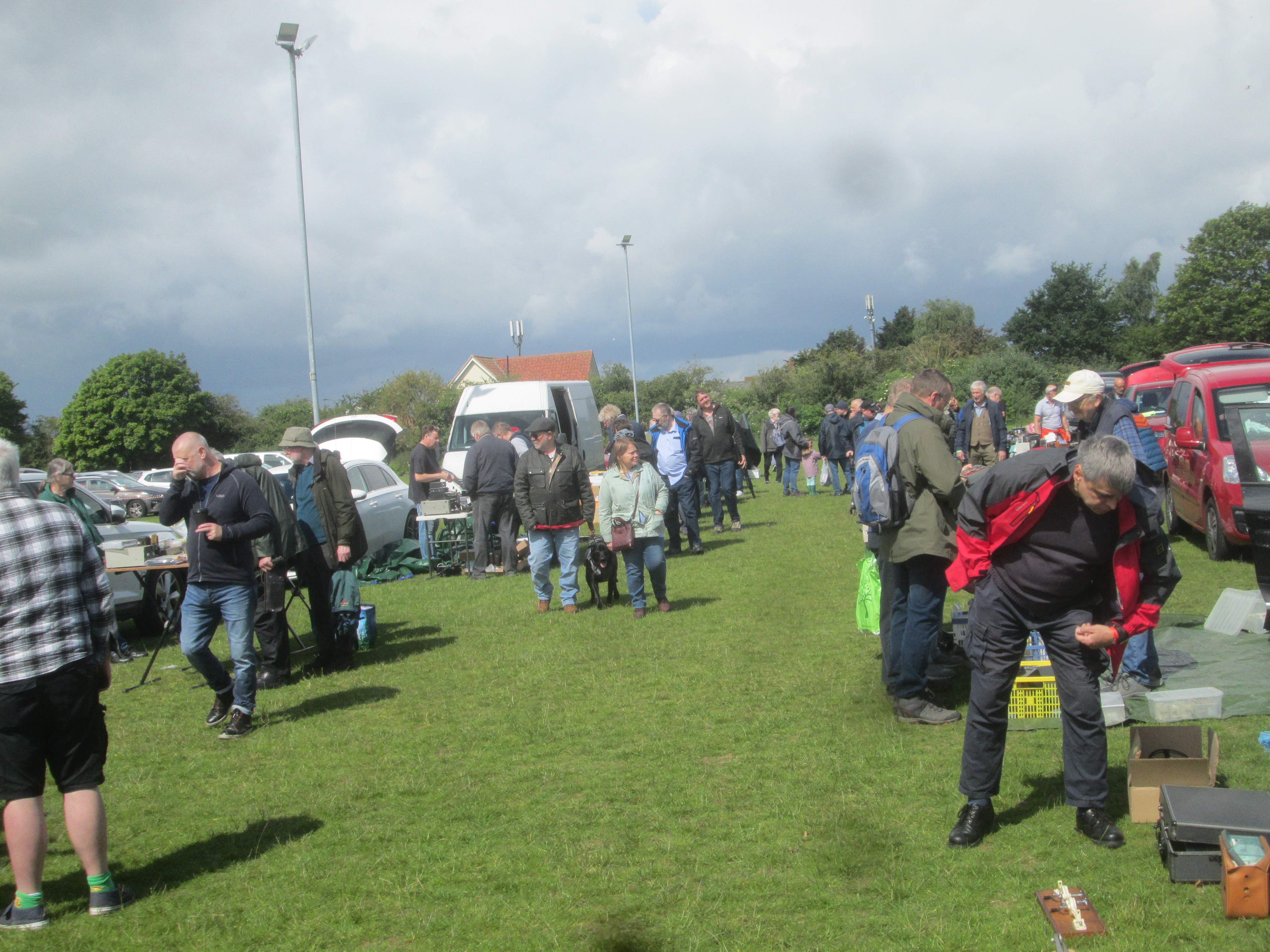
This rally has been established many years. I remember going to it back in the eighties. It is currently held at Kirton, near Ipswich. I missed it in 2023 but was pleased to visit this year, on 15th June, courtesy of my “chauffeur” M7SDA (very kind of him) and accompanied also by Mick, M7TRU.

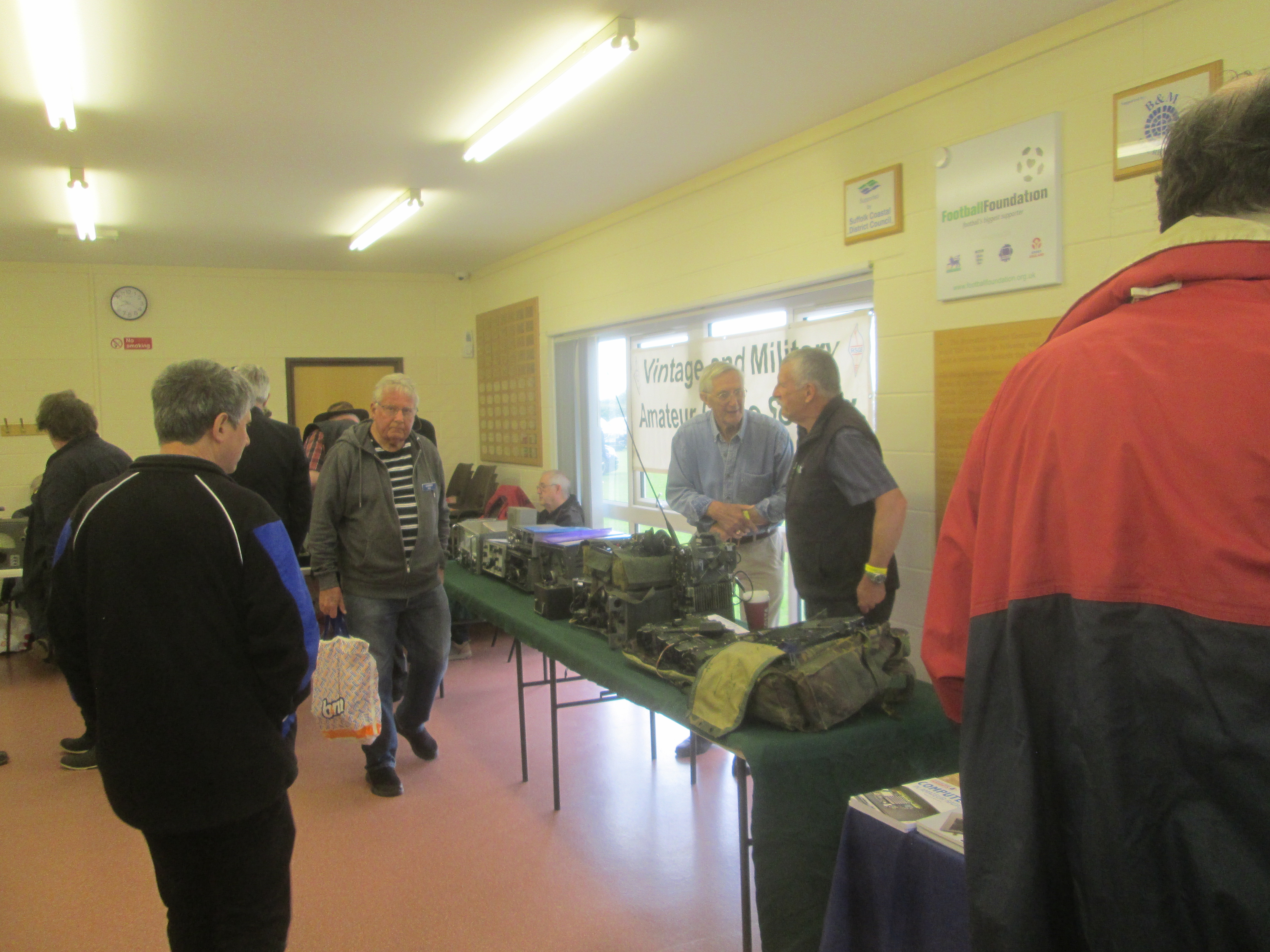
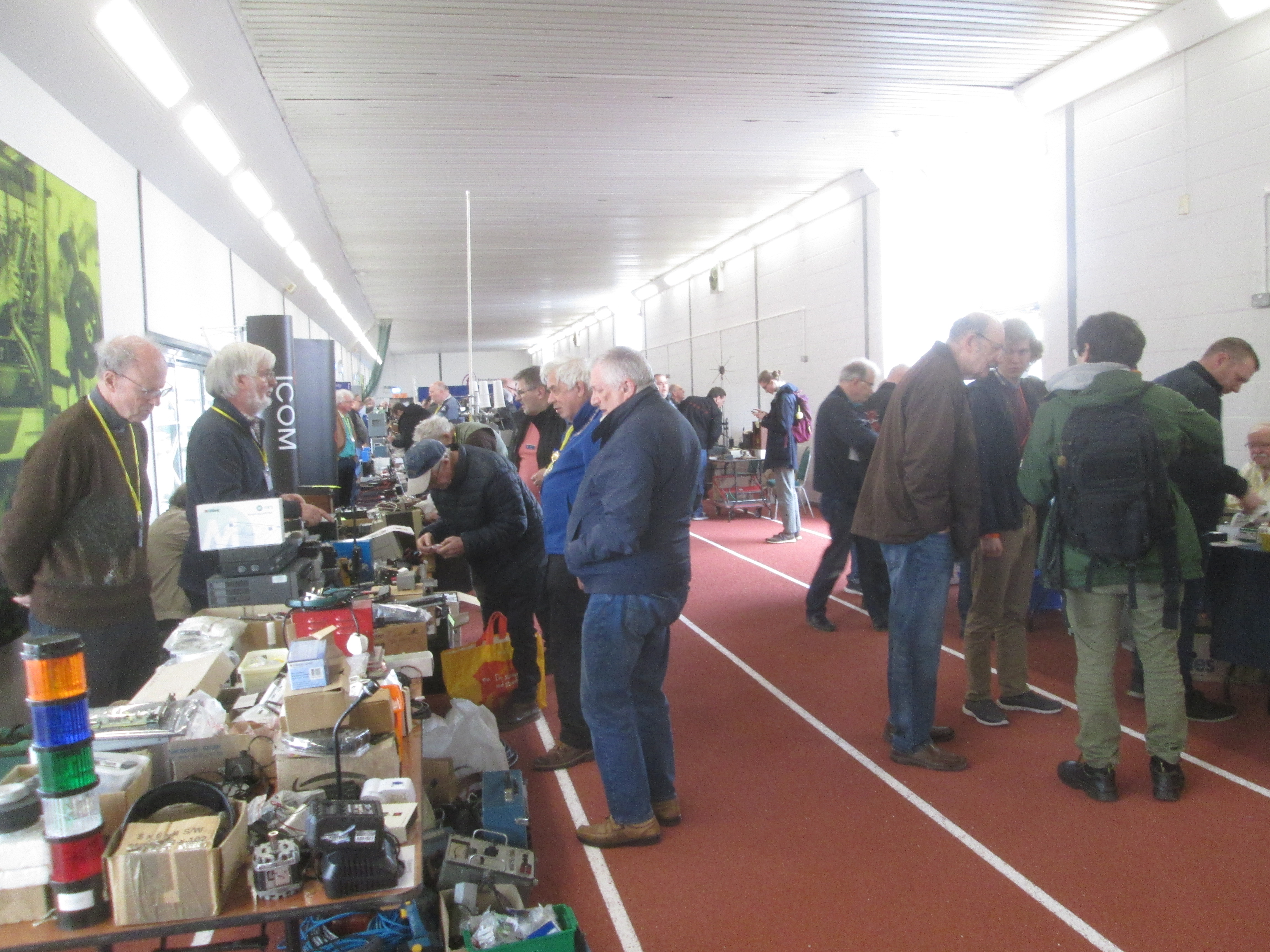
The rally seemed quite well attended. There were plenty of people looking at quite a few stalls, selling everything from components to rigs. This was a good social occasion. Indoors in the small building there were a few stalls including the RSGB bookstall and the Vintage and Military Amateur Radio Society with one or two “Boat Anchor” rigs including a 62 Set one of which I remember being used by the signals section of my school army cadets. I hated the cadet experience but liked the radio aspect.

We got there reasonably early, but the morning was marred by the weather with the sunshine and showers. It was unseasonably cold when the rain came down, which it did quite heavily.

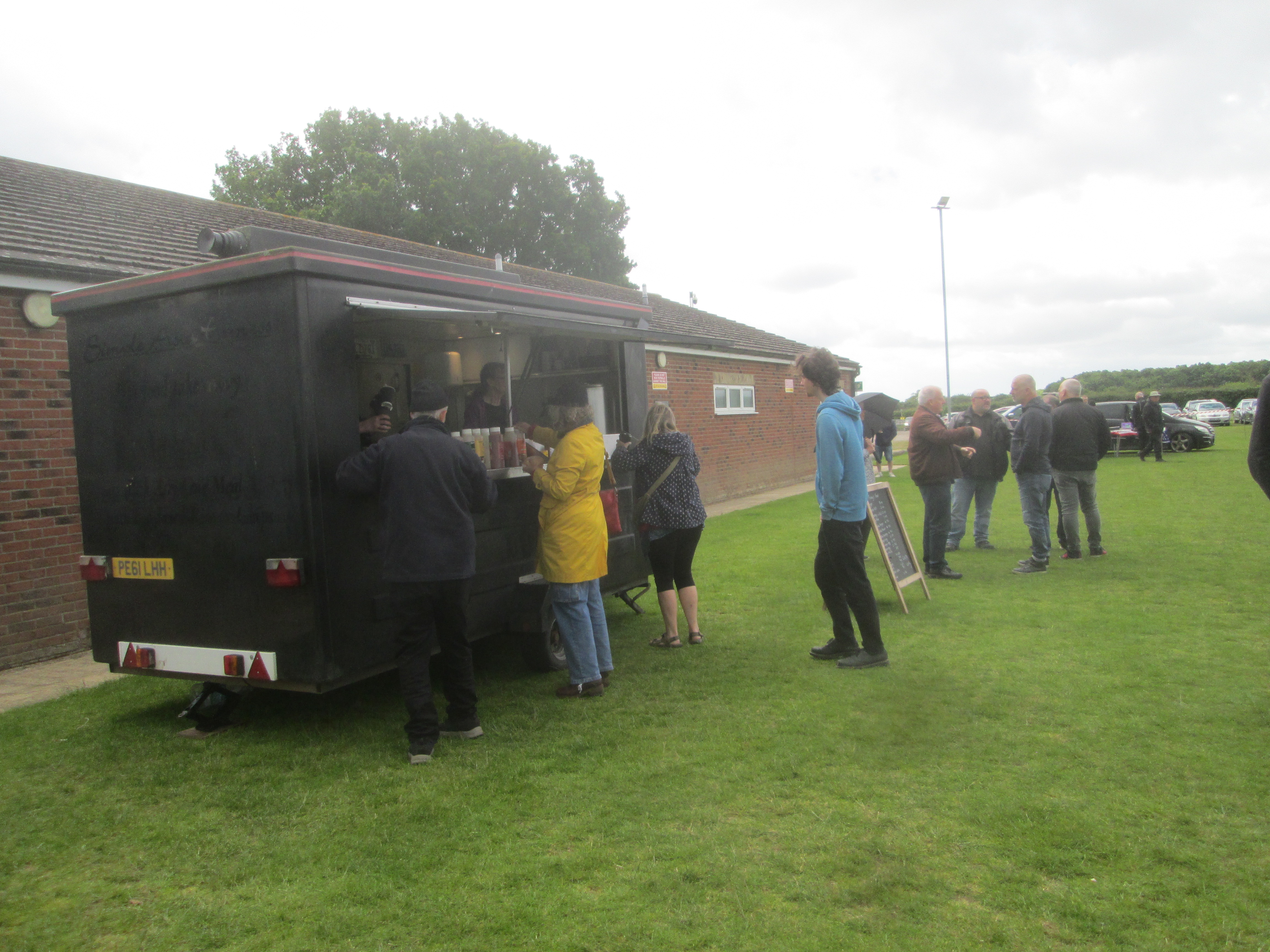
The burger van seemed popular, which was no doubt a comfort to many. My only slight grouse was that there was nowhere to sit down for those like me with limited mobility.

The rally seemed like a success for the clubs involved and I hope it was profitable for them.

Last Sunday at Rayleigh Mill

Last Sunday morning my local radio club SEARS had a small gathering at Rayleigh Mill, just a couple of miles from my home QTH. I was not able to stay very long but there were some interesting contacts made including even by Echolink. All good fun and I enjoyed my sausage in a roll. The club has various days out, field days and visits to local events.

As a club I think we are very friendly people and I do recommend that anyone interested in amateur radio, whether licensed or not should come along to one of our meetings, which are monthly on the second Thursday at 7:30 pm. The venue is St. Michaels Church, St Michaels Road, Daws Heath, Benfleet SS7 2UW. No admission fee and I am sure that no one would be expected to pay to join until they are ready. We have interesting talks from visitors and members as well some operating evenings.

Will we see you soon? You will be very welcome.

How do we encourage younger people to become radio amateurs or hams in UK?

Visitors to Hamzilla 2023

There are several ways to encourage younger people to become radio amateurs or “hams” in the UK. Here are a few suggestions:

  1. Introduce them to the hobby: If you are a radio amateur, introduce younger people in your family or community to the hobby. Show them how radios work, what you can do with them, and the benefits of being a ham.
  2. Attend ham radio events: Encourage younger people to attend ham radio events and conferences, such as the National Hamfest, the RSGB Convention, and the Ham Radio World event. This will give them an opportunity to see first-hand what ham radio is all about and meet other hams.
  3. Collaborate with schools: Work with schools in your area to introduce ham radio to their students. Offer to give presentations or demonstrations, or even set up a radio club at the school.
  4. Use social media: Use social media to promote the hobby and connect with younger people who may be interested in becoming hams. Share photos and videos of your radio activities, participate in online discussions and forums, and use hashtags to increase visibility.
  5. Emphasize the STEM aspect: Highlight the scientific and technical aspects of ham radio, emphasizing the STEM skills that can be developed through the hobby. Many young people may be interested in ham radio as a way to explore their interest in technology and engineering.
  6. Offer mentorship: Offer to mentor younger people who are interested in becoming hams. Provide guidance, support, and encouragement as they learn about the hobby and work towards obtaining their license.

Overall, it’s important to emphasize the fun and excitement of ham radio, while also highlighting the practical skills and STEM education that can be gained through the hobby. By making the hobby accessible and engaging, we can encourage more young people to become radio amateurs in the UK.

That is all very well in theory. The other day a new full licensee asked on-line for suggestions for joining a local club. Of course, I pointed him in the right direction, but it highlighted that new recruits do not come as they used to with a history of “short wave listening” as most of we old-timers did. CB was another route, but also has had its day as a source of radio amateurs.

Yes, take our young relatives and friends to radio rallies. There is always plenty to enjoy, not all radio-related, but maybe the radio can rub off on them. Would they come to club field days and see radio amateurs operating and try it themselves? The mentorship could follow. My best mentor was after I had my first licence, but I could have done with one before getting my ticket.

Should the RSGB target schoolteachers in science and technology? Send letters to schools! AMSAT has done a good job in connecting schools to the International Space Station.

What do you suggest?

Similar proactive promotion from the RSGB or the radio clubs themselves would definitely help.

Use social media. Well, I do. Do you?

Any other suggestions?

Radio rallies and Hamzilla 2023

Hamzilla 2023

When I was first licenced back in the Seventies, and going on into the Eighties, there were quite a few radio rallies reachable from my Essex base. There were very good ones in Harlow and Colchester, and of course the Eighties were the early days of the Canvey Rally. The major radio emporiums used to attend and sell their gear and there were always the small traders with tables selling equipment and junk, except that the latter was probably not junk to everyone.

There was also the big show in Leicester at the Granby Halls, and I also remember a very good show at Kempton Park racecourse.

Now the major radio emporia sell most of their equipment via mail order and online and they do not go to rallies; neither for the most part do the radio manufacturers.

Covid caused a pause in radio rallies being put on, but now we are seeing a few more, which is good news. My own club, SEARS put on the Canvey Rally last month, although I was not able to help in running it, but we were not short of very good club member volunteers who did. It was successful, though I am sorry I did not take any photos.

This month we had Hamzilla, run by the Dover Amateur Radio Club. That is about 70 miles from home in Essex, but I went with Aubrey, M7SDA, who kindly drove, and John, G4PJA. They were very pleasant company and made for an enjoyable day.

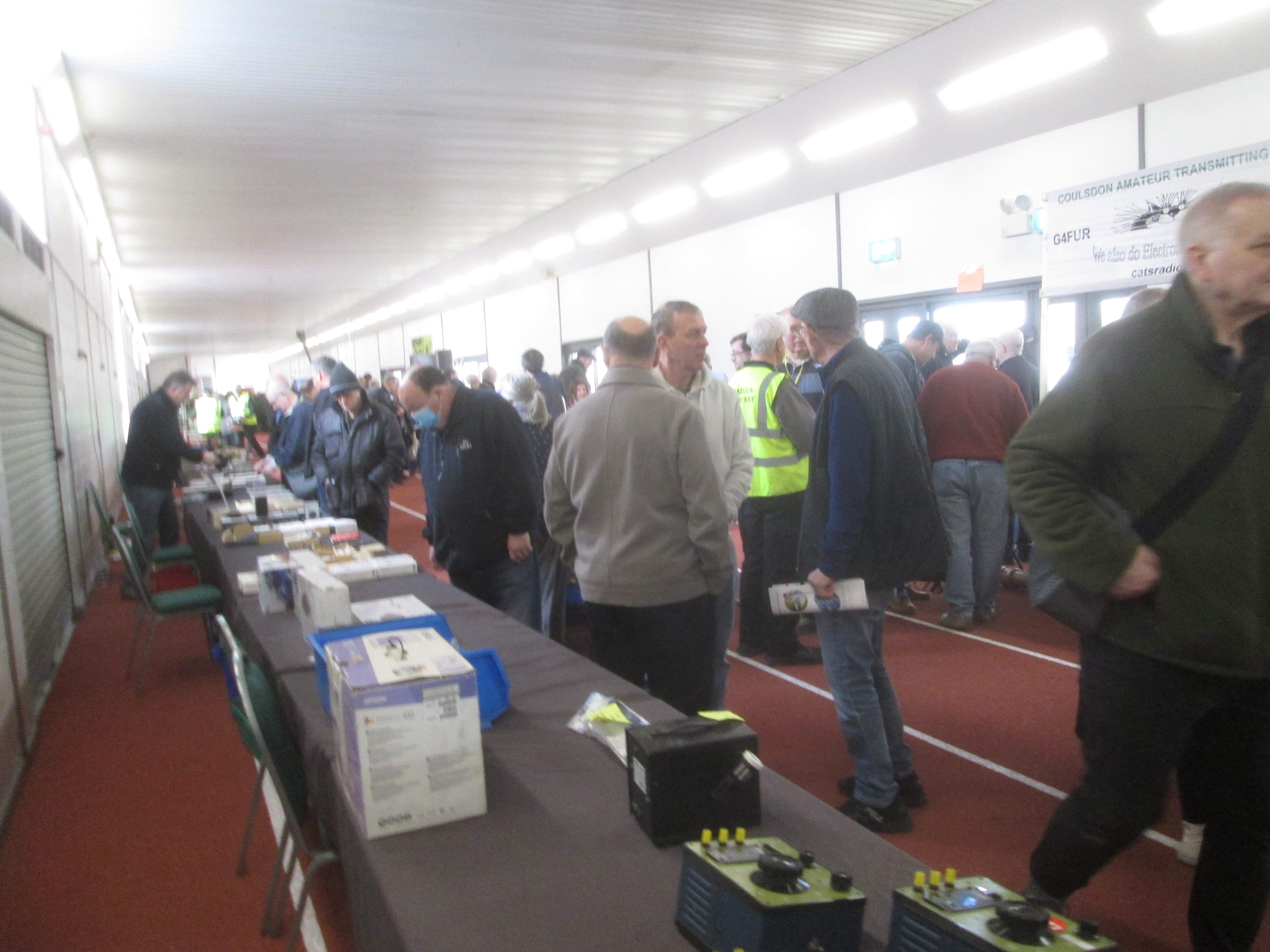
Hamzilla in full swing.

So, what about the rally? I somehow expected it to be bigger than it was. It was hard to judge numbers in a rather differently shaped hall to Canvey, but my impression was that the attendance was about the same as Canvey. Yes, I do know the numbers for Canvey as a club member but that is for us to know. Still, I think we have to say that Hamzilla 2023 was a success, so well done to DARC.

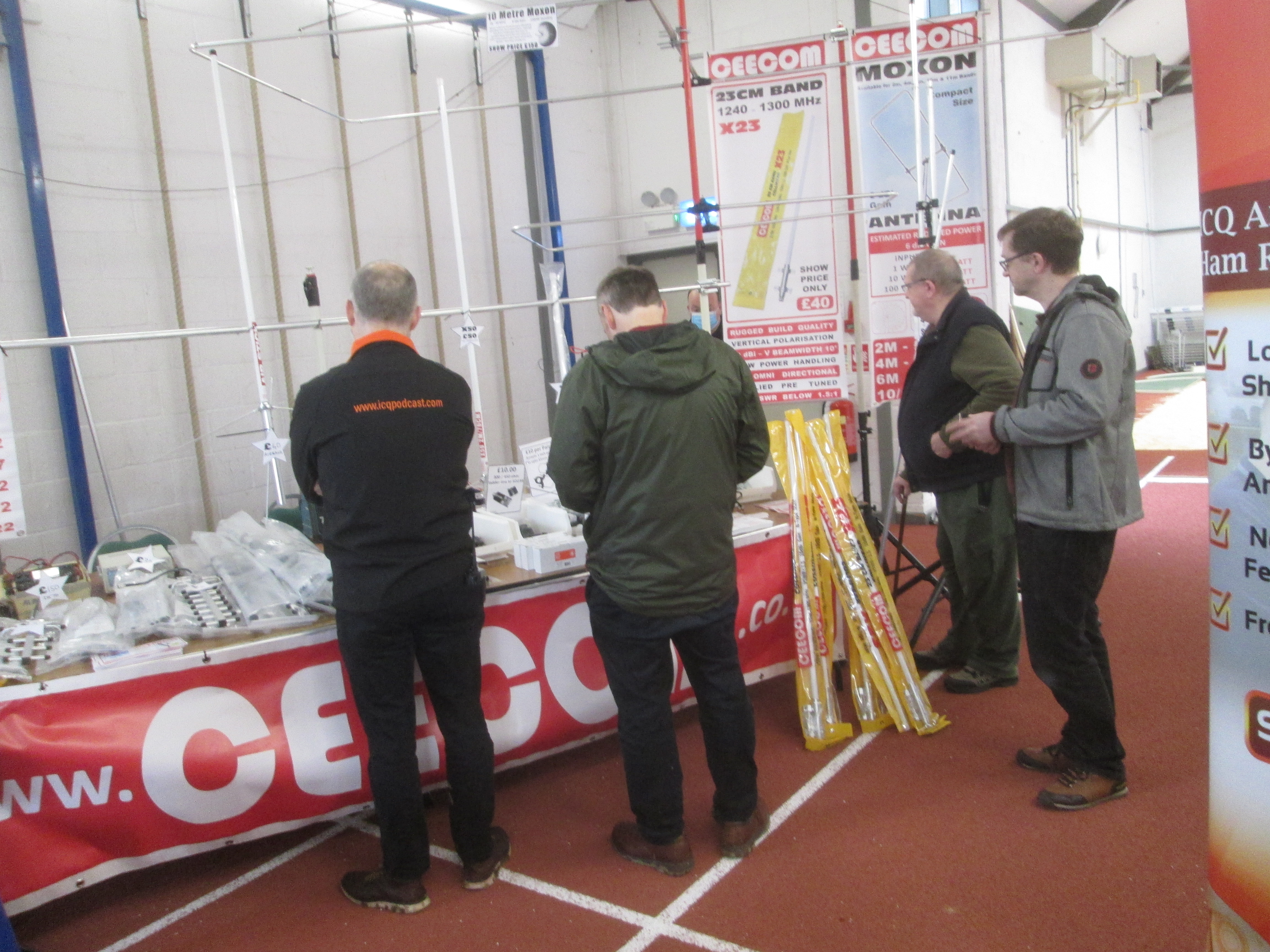
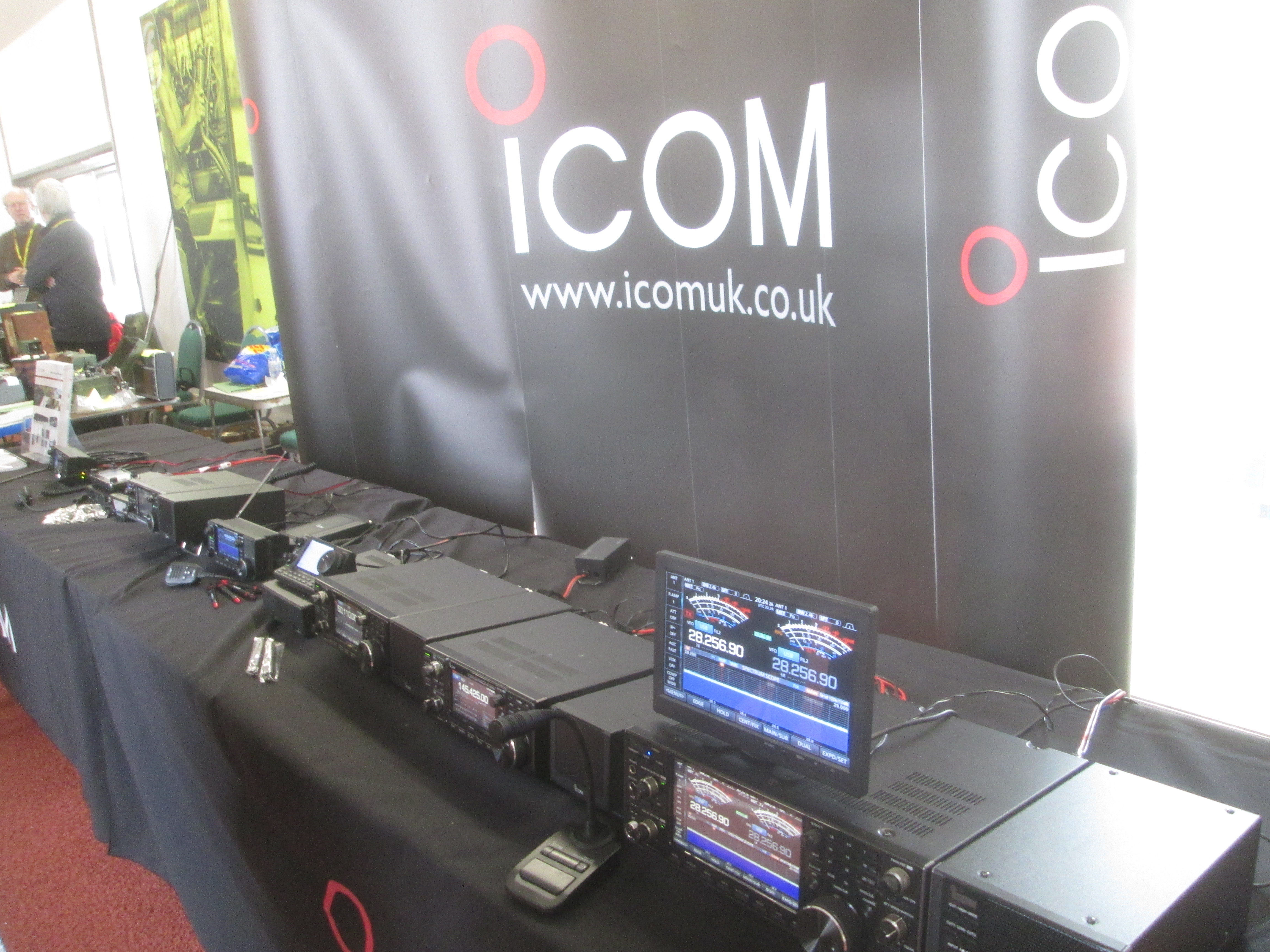
There were plenty of traders and one major manufacturer, ICOM, was there. Of course, their headquarters are local to Ashford, but I was pleased to see them. Clubs were represented as was RAIBC.

ICOM stand
And RAIBC!

I met a few people I knew, so the social aspect was satisfied as far as I was concerned.

The only minor niggle was the venue café, where the service relied on one lady who clearly found it difficult to cope on her own. There was a young chap who was running in and out of the kitchen for her, but she could have done with more support.

All-in-all I feel that Hamzilla was a success and I look forward to next year’s event. Again, well done DARC.

New faces and skills

As part of my rehabilitation in amateur radio I attended the Skills Night presented by Chelmsford Amateur Radio Society at Danbury.

As one would expect, there were many Foundation and Intermediate License Holders for whom the “Skills” training is a very good idea. I found it helpful as of course the radio world has changed in my absence.

Once upon a time I was familiar with the OSCAR amateur satellites (this is tautology given that OSCAR stands for “Orbiting Satellite Carrying Amateur Radio”). Stephen, M0SHQ, was very kind in giving me some minutes telling me about the latest developments, and showed me his impressive hand-held dual band 2m/70cm homemade yagi antenna, . He also demonstrated the OSCAR Android app on his phone. I have installed it on mine, and well, you never know, I might have a bash.

Charlie, M0PZT, was busy programming various handheld rigs, and was kind enough to “do” my second dual-band Baofeng as he did the first. Thanks, Charlie!

More experienced hams (more up-to-date than I) were scattered around the hall imparting their valuable knowledge. I enjoyed chatting with a number of the ladies and gentlemen present, and believe the attendance was over sixty in number.

Anyway, the Skills Night is a cracking idea, there was a lot going on which you can see via the link, and if you are in striking distance of Danbury, do go along to the next one.