Tag Archives: amateur radio

Solar activity as it effects radio propagation

Photo courtesy of Pexels-Pixabay, with thanks.

I first became interested in the Sun’s activity way back before I obtained my amateur radio licence, so that was over fifty years ago. Any errors here are of course mine.

Solar and sun-related activity plays a critical role in HF and to a lesser extent VHF propagation for amateur radio. Here’s a structured overview of how solar phenomena affect HF and VHF Key Solar Phenomena.

1. Solar Flux (SFI)

  • Measures solar radiation at 10.7 cm (2800 MHz).
  • Higher SFI = better ionisation of the F2 layer, improving HF propagation.
  • Typical values:
    • Below 70 = poor HF conditions
    • 100–150 = good for 20–10m
    • Above 150 = potential for 6m (50 MHz) F2 openings

2. Sunspots

  • Magnetic storms on the Sun’s surface.
  • More sunspots mean increased UV and X-ray output, which enhances the ionosphere.
  • 11-year solar cycle: more sunspots at solar maximum, better HF propagation.

3. Solar Flares

  • Sudden bursts of radiation (X-rays, UV).
  • Can cause Shortwave Fadeouts (SWF), especially on the dayside of Earth.
  • More likely to disrupt HF than VHF.

4. Coronal Mass Ejections (CMEs)

  • Massive bursts of solar plasma and magnetic fields.
  • Can disturb Earth’s magnetosphere and trigger geomagnetic storms (see K-index below).

Effects on HF Propagation (3–30 MHz)

Positive Effects:

  • High SFI and sunspot numbers = better F2 layer ionisation
  • Good for long-distance DX on 20, 17, 15, 12, and 10 metres
  • At solar peak, even 6m (50 MHz) can open via F2

Negative Effects:

  • Solar flares = sudden HF blackouts (especially below 10 MHz)
  • CMEs and geomagnetic storms = disrupted F2 layer, poor signal paths
  • Low solar activity = limited DX, higher bands go “dead”

Effects on VHF Propagation (30–300 MHz)

Direct effects are limited, but:

  • 50 MHz (6m): most influenced, can experience F2 openings during high solar activity
  • 70 MHz (4m): some F2 impact, mostly Sporadic-E related
  • 144 MHz (2m) and up: rarely affected directly, but indirect effects occur (e.g., auroral propagation during geomagnetic storms)

Ionospheric Layers Summary

LayerAffected byRole in PropagationFrequencies
DSolar flares, daytime sunAbsorbs lower HF (esp. 160–40m)Negative impact
ESolar UV, seasonalSupports short-skip & Sporadic-EHF & low VHF
F1/F2Solar flux, sunspotsMain long-haul DX layerHF and 6m during high sola


Useful Indices and Tools

IndexMeaningIdeal for DX
SFI (Solar Flux Index)70–300+>100 for good HF
K-indexGeomagnetic activity (0–9)0–3
A-index24h average of K-index<15
X-ray FluxReal-time flare impactLow or stable is best
Auroral Index (AU, AL)Indicates aurora potentialHigh = aurora on 6m/2m

Propagation Enhancements from Solar Activity

BandEffect from Solar MaxNotes
160m–80mPoorer day conditions (D-layer)Better at night
40m–20mStable, reliable DXDay and night paths improve
15m–10mGreatly improved10m often wide open
6m (50 MHz)F2 possibleTrue DX (e.g. EU to SA, JA)
2m (144 MHz)Aurora, rare F2Usually tropo or aurora paths

Resources for Monitoring

At the time of writing in July 2025, one can say that in the last few months and year there has been more auroral activity but rather less in the way of Sporadic E, which is what one might expect at or near the peak of the solar cycle.
My VHF Journey

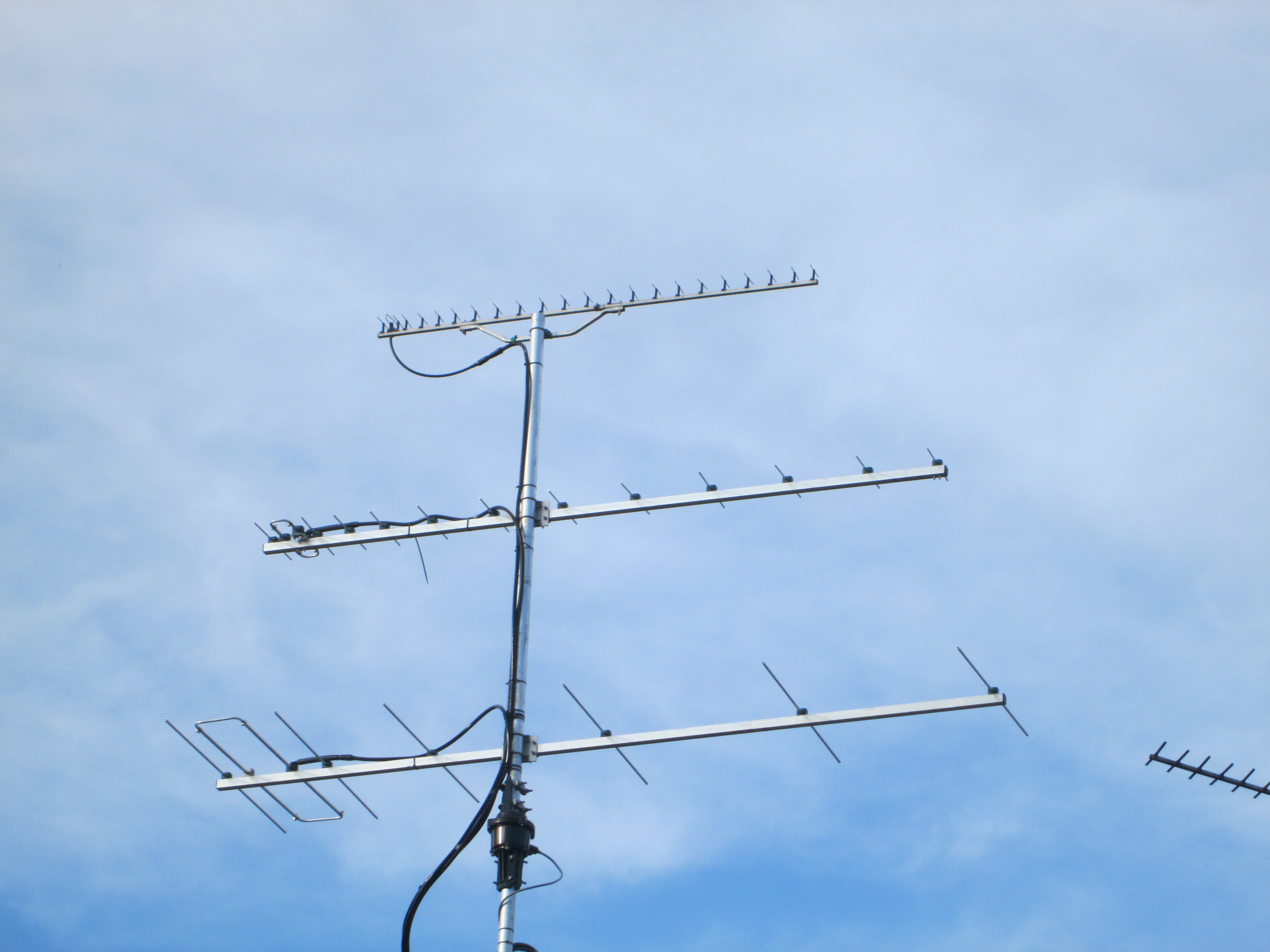
VHF antennas at G4MCU

In the last few weeks I have given my talk or presentation entitled “My VHF Journey” to two local radio clubs. This is a personal story explaining my starting out in amateur radio and how I came to enjoy mostly working VHF from my early days, and why I enjoy it now.

My primary interest is in working DX on 144MHz, 432 MHz and even 1296 MHz if conditions allow. I have quite a modest setup with regard to antennas as I do not have as much room or space for large arrays, but I do have an effective station for working VHF DX.

As a rule the club members have no idea what is available using SSB and CW on these bands. Their experience tends to be working FM simplex and repeaters on 2 and 70, and because of the licence changes new licensees have the freedom to use the HF bands, neglecting the opportunities to work any distance on the VHF bands. They are actually unaware or indeed ignorant of what they might achieve if they gave these bands a proper go with decent Yagi antennas. And no, these antennas do not have to be large. Mine aren’t.

I did my best to explain the joys of tropo, aurora and Sporadic E including the nature and the reasons these types of propagation occur.

Despite my best efforts I am not confident that my audiences understood or felt drawn to try the joys of working real radio at VHF. It is not even just about working the DX. Under flat conditions we can have quite long rag chews using SSB over distances much further than can be managed using FM.

It is not my place to tell any of my fellow radio amateurs what they should be doing, it is up to them However, after writing the presentation and speaking to the clubs I have the feeling I may failed to inspire anyone to have a go.

RSGB and the naysayers.

Kent Hills Conference Centre, site of the RSGB Convention

I have been a member of the Radio Society of Great Britain for forty-eight years, since I was first licenced as G8LFJ in 1976. I guess that makes me an old-timer.

I hear people saying that membership is not worth the money, so what do we get for the current annual subscription of £72, a lot of which I have benefitted from?

  • A very good monthly magazine.
  • Two digital magazines, RadCom Plus and RadCom Basics.
  • Online bookshop.
  • Support as needed, in my case with planning permission, but also with interference and EMF issues and other interference,
  • An annual convention. Attend in person or benefit from live streaming of lectures.
  • Representation at the annual National Hamfest.
  • Representation at the IARU
  • OFCOM consultation
  • Volunteers
  • Bletchley Park GB3RS
  • The teams https://rsgb.org/main/our-teams/
  • Organisation of exams and directions to training resources.
  • QSL Bureau for those who like cards.

The RSGB provides so many services, which I will not list here because their website does it in detail. All this for £72 per annum and the magazine RadCom is worth that on its own. What is not to like? Many radio amateurs spend thousands on rigs. Why not spend a little to become part of the family and enjoy the benefits? Some people don’t know what they are missing.

East Suffolk Wireless Revival Rally 2024

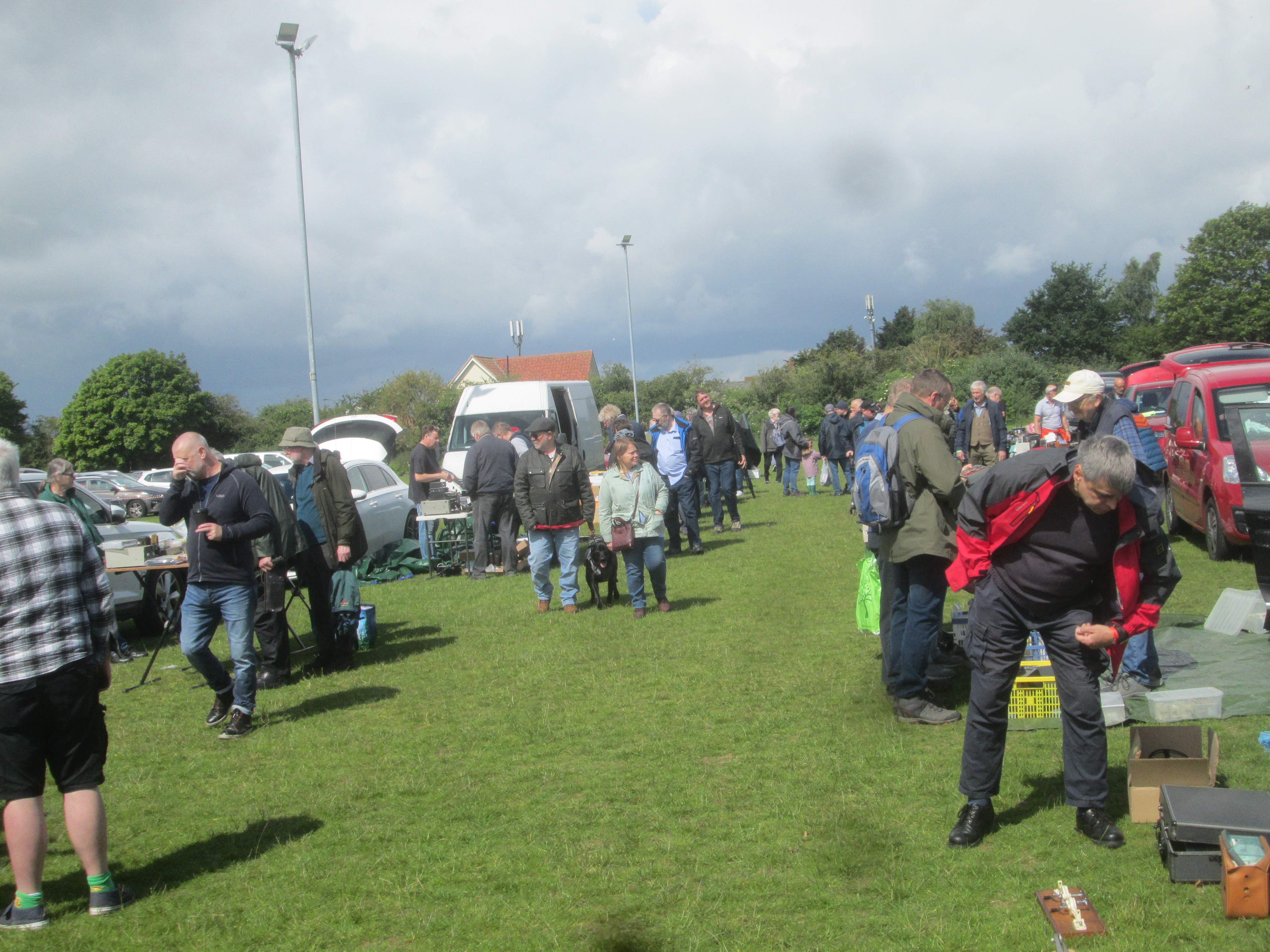
This rally has been established many years. I remember going to it back in the eighties. It is currently held at Kirton, near Ipswich. I missed it in 2023 but was pleased to visit this year, on 15th June, courtesy of my “chauffeur” M7SDA (very kind of him) and accompanied also by Mick, M7TRU.

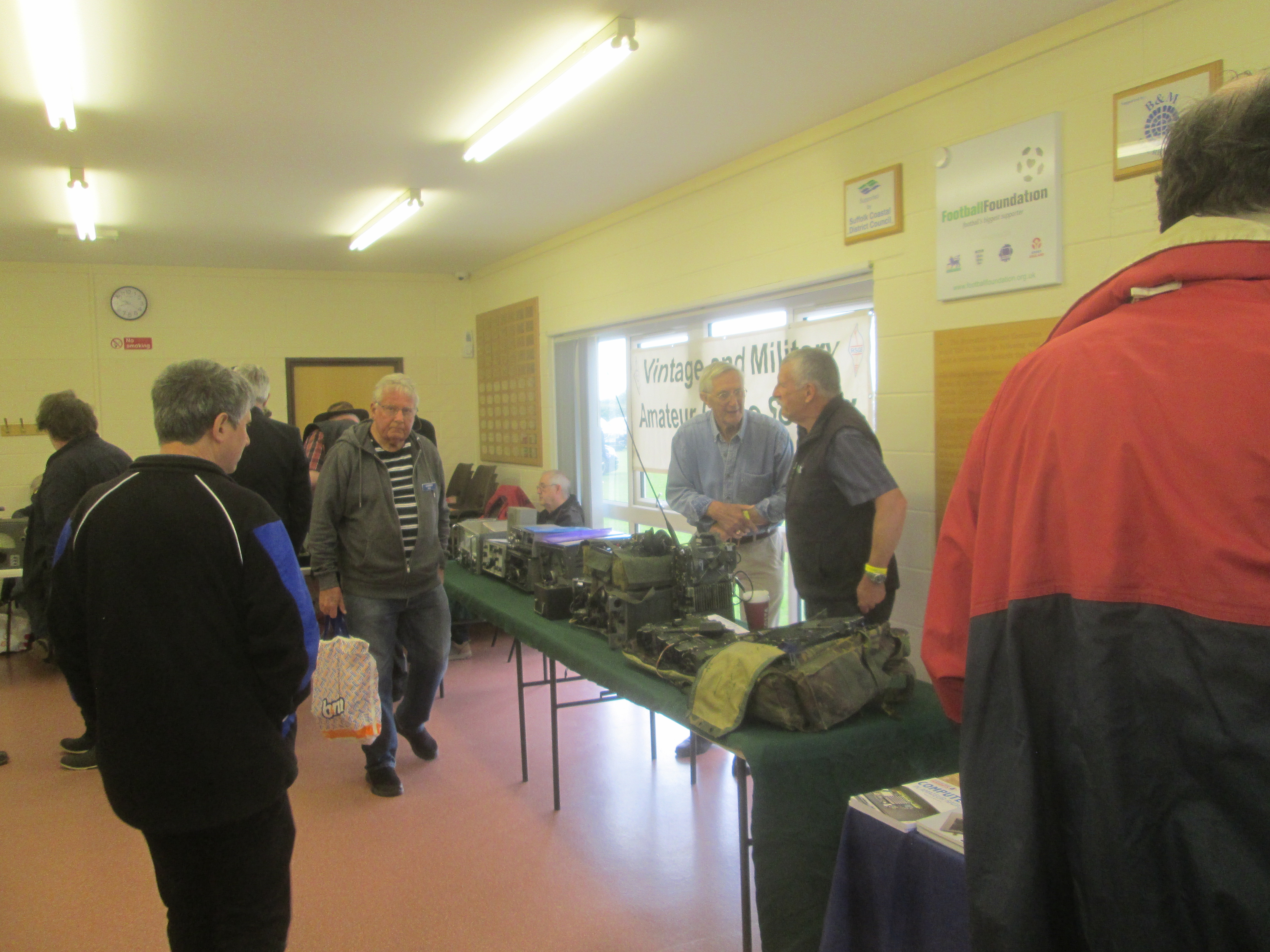
The rally seemed quite well attended. There were plenty of people looking at quite a few stalls, selling everything from components to rigs. This was a good social occasion. Indoors in the small building there were a few stalls including the RSGB bookstall and the Vintage and Military Amateur Radio Society with one or two “Boat Anchor” rigs including a 62 Set one of which I remember being used by the signals section of my school army cadets. I hated the cadet experience but liked the radio aspect.

We got there reasonably early, but the morning was marred by the weather with the sunshine and showers. It was unseasonably cold when the rain came down, which it did quite heavily.

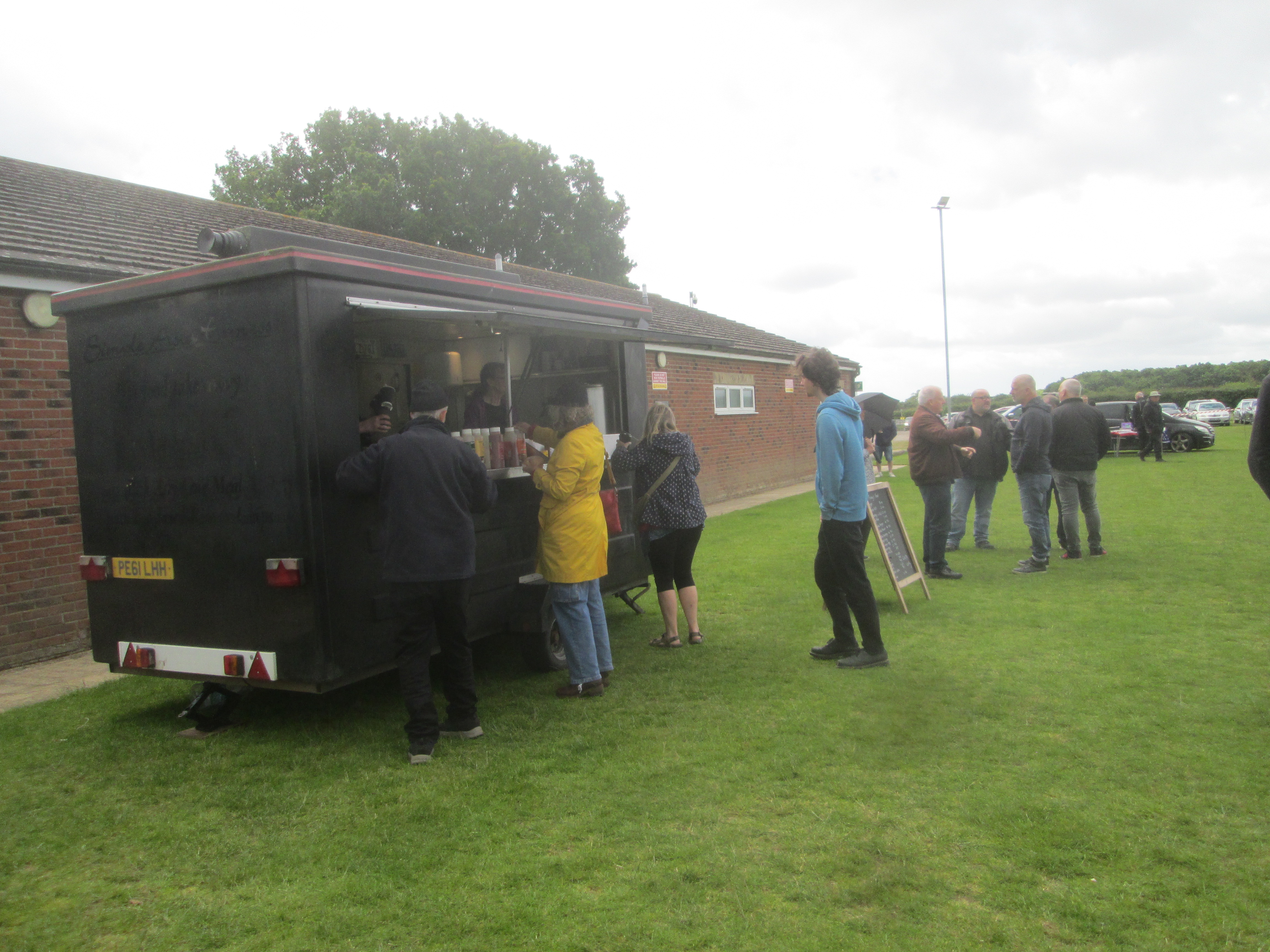
The burger van seemed popular, which was no doubt a comfort to many. My only slight grouse was that there was nowhere to sit down for those like me with limited mobility.

The rally seemed like a success for the clubs involved and I hope it was profitable for them.

My Belcom Liner 2

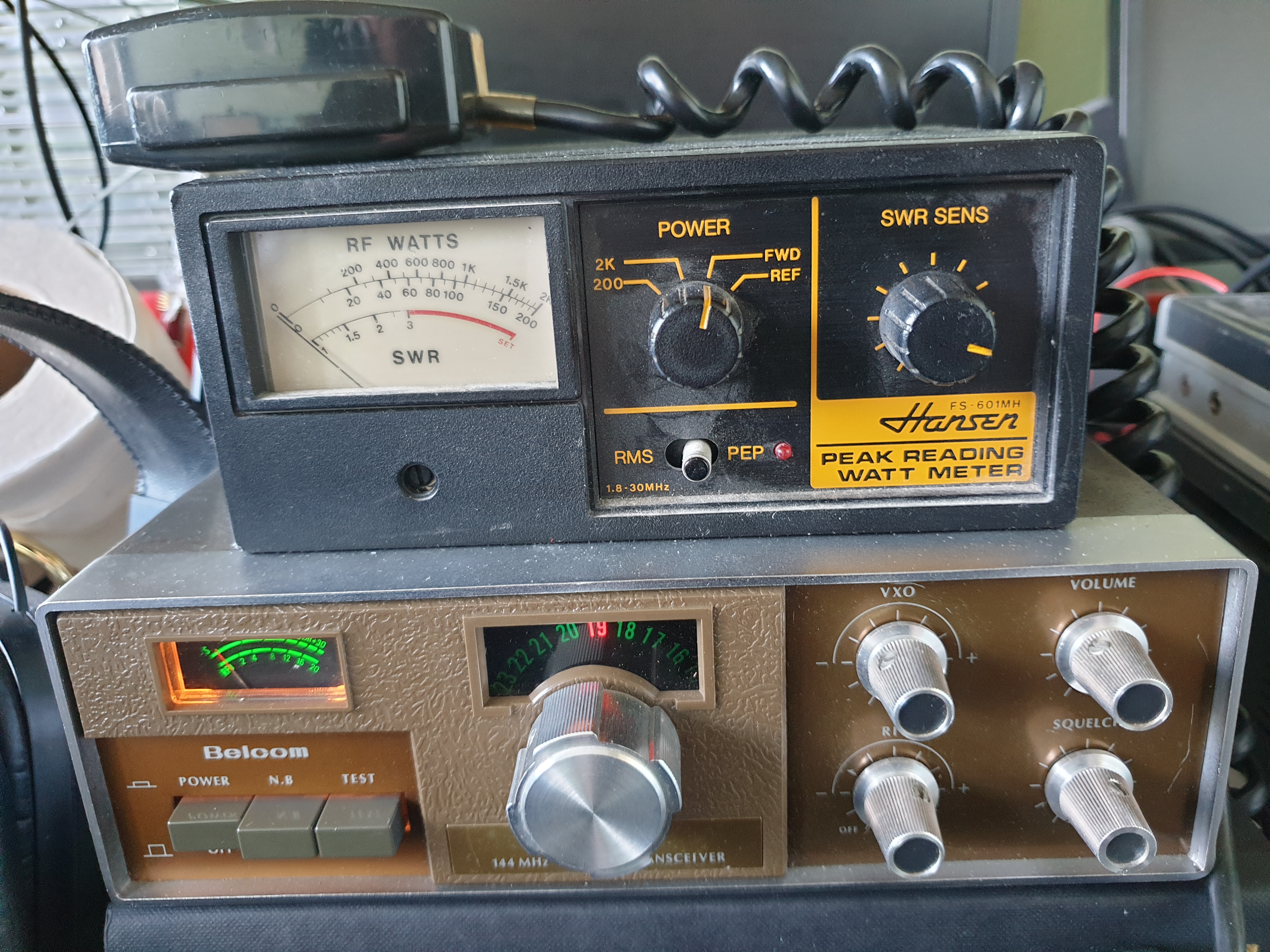
I have a Liner 2, recently refurbished and it runs a nice 6-8 watts as it always did. It covers 144.100 MHz to 144.330 MHz. I bought it second-hand in 1977 as an ignorant recently licenced Class B, bored with 2 metre FM from half a dozen rocks (crystals) and one repeater. In a sense I had been mis-sold a basic 2 metres FM rig and an unsuitable horizontal yagi antenna

The very day I got the Liner 2, 22nd June 1977,  I connected it to my J-Beam 5 over 5, the first two stations I worked were an SM and an OZ. It just happened there was a decent tropo opening, though I did not realise this. This started my then and now principal interest in VHF DX. Without that I might have been a different sort of radio amateur or given up. So thanks to my Liner 2, here I am.  And of course the unsuitable yagi became just the right thing for 2 metres SSB.

The Belcom Liner 2 is a 24 channel SSB transceiver for 2 metres. It does not have a VFO but is VXO controlled (Variable-tuned Crystal Oscillators). Each channel can be tuned sufficiently with RIT so there is effectively full coverage between 144.100 and 144.330 MHz.

The rig is essentially a 27MHz CB transceiver with a form of transverter.

There have been a lot of very rude comments about the quality of signal output. Many people were keen to suggest distortion and splatter. I think mine is clean at current power output, though I will not be using an amplifier with it.

Three cheers for the Liner 2, I say.

RSGB Convention 2023 – my perspective

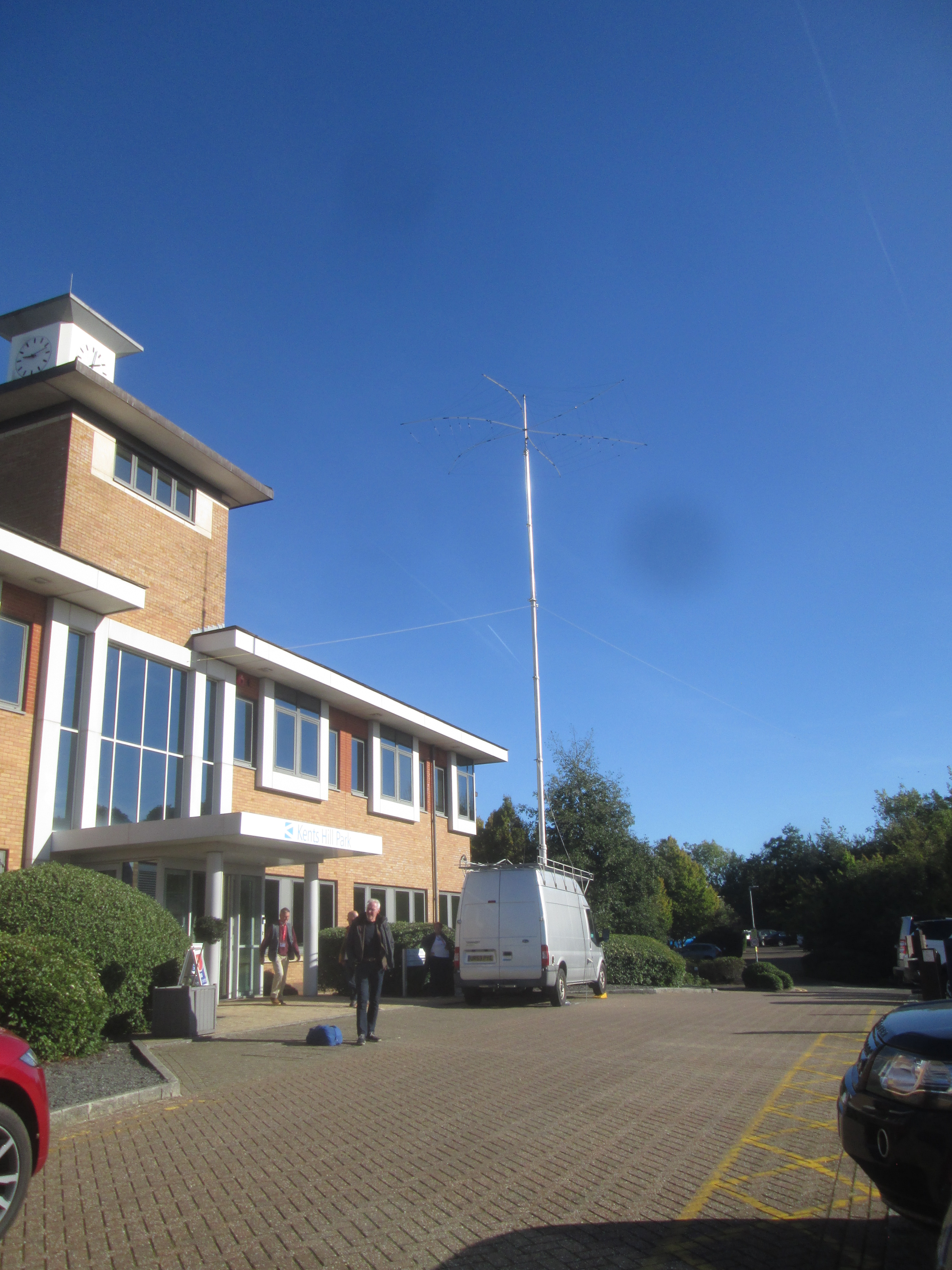
Kent Hills Park Training Centre with GB3HQ van and mast

I went to my third RSGB Convention, held on 14th and 15th October, from Friday 13th if you include the Welcome Dinner.

The outing started rather strangely on the 13th. I left home early from Essex as I thought I could take advantage of staying in Milton Keynes by combining it with a visit to the Moonraker shop at Woburn Sands. In 2019 I went to Bletchley Park first thing, well worth a visit, so I thought it would be useful to look round the shop. Of course, my Satnav had no difficulty in finding the Moonraker establishment way out in the country, but when I arrived, I had trouble finding the right door, and went in somebody else’s to start with. When I did find the right entrance to the shop, I could not find anybody in and no bell to ring for attention, so I spent about 15 minutes looking at their merchandise and then left. There was an antenna I would have asked about, but no matter.

As regards the venue, Kent Hills Park, the staff were very welcoming, and helped me with my holdall and suit to my Disability Access Room.

On Friday evening Martin Lynch were the hosts of the welcoming dinner. That was probably the best meal of the stay. The lunches were disappointing on both Saturday and Sunday. The meat balls had run out on Saturday so there was an alternative of vegetable chilli. On Sunday we were supposed to have a roast but I ended up with not very appetising breaded fish instead.

Enough of the food for now.

Outside space at Kent Hills
GB3HQ in operation with Simone and Heather I think.

I enjoyed the presentations much more than I had anticipated from the programme / timetable. I had been concerned that there was no proper VHF stream. I thought local lad Oscar Wood 2E1HWE did well with his talk “Allstar – Working the world on your analogue radio”. This was something I knew nothing about. Then there was Tim Kirby, GW4VXE on “which digital radio is right for you?”, which has given me ideas. I did speak later to someone on the ICOM trade stand who said I should email ICOM UK to get started on D-Star, which I will, and as I have a Yaesu rig I will give Fusion a go too.

In the restaurant I had happened to share a table with Lyall Smith GM4XID and his lady, Cate. They encouraged me to go the afternoon presentation “Taking amateur radio into schools” which Lyall was sharing with Chris M0KPW and Simon G4WQG. I did attend and found it very interesting and encouraging that they were genuinely getting young people taking the first steps in our hobby and getting their licences. I particularly admire the work Lyall is doing at a school in Mallaig, such a beautiful part of Scotland. I think I will return to this in a later post.

That was all Saturday. We had the Gala Dinner that evening. I thought it was mostly very good. A couple of niggles but the starter salmon mousse was nice and the duck also. During the dinner I sat next to Helen who had recently started working for the RSGB, and she said I should see the YOTA Team talk on the visit to Hungary 2033. I did and it was encouraging again to see the lads’ enthusiasm.

Ian Evans GI0AZB and Dr Esther Harper GI0IZA presented “Summits on the Air” which was interesting  and a lot of photos from Ireland, North and South.

The last presentation I attended was John Quarmby’s Talk on Aircraft Scatter. I have worked John, G3XDY so many times and it was fascinating to watch a very enlightening talk. I will give aircraft scatter a more serious go.

From my point of view the Convention was a success and I enjoyed it, though it was tough at times because of my physical limitation.

Last Sunday at Rayleigh Mill

Last Sunday morning my local radio club SEARS had a small gathering at Rayleigh Mill, just a couple of miles from my home QTH. I was not able to stay very long but there were some interesting contacts made including even by Echolink. All good fun and I enjoyed my sausage in a roll. The club has various days out, field days and visits to local events.

As a club I think we are very friendly people and I do recommend that anyone interested in amateur radio, whether licensed or not should come along to one of our meetings, which are monthly on the second Thursday at 7:30 pm. The venue is St. Michaels Church, St Michaels Road, Daws Heath, Benfleet SS7 2UW. No admission fee and I am sure that no one would be expected to pay to join until they are ready. We have interesting talks from visitors and members as well some operating evenings.

Will we see you soon? You will be very welcome.

Solar panels installed on roof at G4MCU

In the interest of being “greener”, this past week we have had solar panels installed on our roof, and a large battery unit downstairs together with an inverter. I had been concerned that there was a risk of RFI, particularly on 2 metres, my favourite band for weaker signal work, but it appears there is none so far. I have scoured the Web for a general consensus on possible problems, and I summarise what I have found, which gives me relative peace of mind.

Solar panels themselves do not typically cause significant noise interference for radio amateurs. However, some of the associated electronic equipment, such as inverters used to convert the DC power generated by solar panels into AC power for household use, can generate radio frequency interference (RFI). This interference can potentially affect radio communications and cause difficulties for radio amateurs.

The level of interference depends on various factors, including the quality of the solar equipment, the design of the installation, and the proximity of the radio equipment to the solar installation. In general, well-designed and properly installed solar systems should comply with electromagnetic interference (EMI) regulations and have adequate measures in place to mitigate RFI.

If you’re experiencing interference from a solar installation, it is recommended to contact the owner or installer of the solar panels to address the issue. They may be able to make adjustments to the system or add filters to reduce the interference. Additionally, radio amateurs can employ their own mitigation techniques, such as installing additional filters or shielding on their radio equipment, to minimize the impact of RFI.

Our inverter is in our house and directly below the mast with my yagis for 2 metres, 70 cms and 23 cms, and within no more than six metres from the 4 metre vertical.

No problems detected at G4MCU but should there be any I will keep you posted. So far, so good.

How do we encourage younger people to become radio amateurs or hams in UK?

Visitors to Hamzilla 2023

There are several ways to encourage younger people to become radio amateurs or “hams” in the UK. Here are a few suggestions:

  1. Introduce them to the hobby: If you are a radio amateur, introduce younger people in your family or community to the hobby. Show them how radios work, what you can do with them, and the benefits of being a ham.
  2. Attend ham radio events: Encourage younger people to attend ham radio events and conferences, such as the National Hamfest, the RSGB Convention, and the Ham Radio World event. This will give them an opportunity to see first-hand what ham radio is all about and meet other hams.
  3. Collaborate with schools: Work with schools in your area to introduce ham radio to their students. Offer to give presentations or demonstrations, or even set up a radio club at the school.
  4. Use social media: Use social media to promote the hobby and connect with younger people who may be interested in becoming hams. Share photos and videos of your radio activities, participate in online discussions and forums, and use hashtags to increase visibility.
  5. Emphasize the STEM aspect: Highlight the scientific and technical aspects of ham radio, emphasizing the STEM skills that can be developed through the hobby. Many young people may be interested in ham radio as a way to explore their interest in technology and engineering.
  6. Offer mentorship: Offer to mentor younger people who are interested in becoming hams. Provide guidance, support, and encouragement as they learn about the hobby and work towards obtaining their license.

Overall, it’s important to emphasize the fun and excitement of ham radio, while also highlighting the practical skills and STEM education that can be gained through the hobby. By making the hobby accessible and engaging, we can encourage more young people to become radio amateurs in the UK.

That is all very well in theory. The other day a new full licensee asked on-line for suggestions for joining a local club. Of course, I pointed him in the right direction, but it highlighted that new recruits do not come as they used to with a history of “short wave listening” as most of we old-timers did. CB was another route, but also has had its day as a source of radio amateurs.

Yes, take our young relatives and friends to radio rallies. There is always plenty to enjoy, not all radio-related, but maybe the radio can rub off on them. Would they come to club field days and see radio amateurs operating and try it themselves? The mentorship could follow. My best mentor was after I had my first licence, but I could have done with one before getting my ticket.

Should the RSGB target schoolteachers in science and technology? Send letters to schools! AMSAT has done a good job in connecting schools to the International Space Station.

What do you suggest?

Similar proactive promotion from the RSGB or the radio clubs themselves would definitely help.

Use social media. Well, I do. Do you?

Any other suggestions?

Radio rallies and Hamzilla 2023

Hamzilla 2023

When I was first licenced back in the Seventies, and going on into the Eighties, there were quite a few radio rallies reachable from my Essex base. There were very good ones in Harlow and Colchester, and of course the Eighties were the early days of the Canvey Rally. The major radio emporiums used to attend and sell their gear and there were always the small traders with tables selling equipment and junk, except that the latter was probably not junk to everyone.

There was also the big show in Leicester at the Granby Halls, and I also remember a very good show at Kempton Park racecourse.

Now the major radio emporia sell most of their equipment via mail order and online and they do not go to rallies; neither for the most part do the radio manufacturers.

Covid caused a pause in radio rallies being put on, but now we are seeing a few more, which is good news. My own club, SEARS put on the Canvey Rally last month, although I was not able to help in running it, but we were not short of very good club member volunteers who did. It was successful, though I am sorry I did not take any photos.

This month we had Hamzilla, run by the Dover Amateur Radio Club. That is about 70 miles from home in Essex, but I went with Aubrey, M7SDA, who kindly drove, and John, G4PJA. They were very pleasant company and made for an enjoyable day.

Hamzilla in full swing.

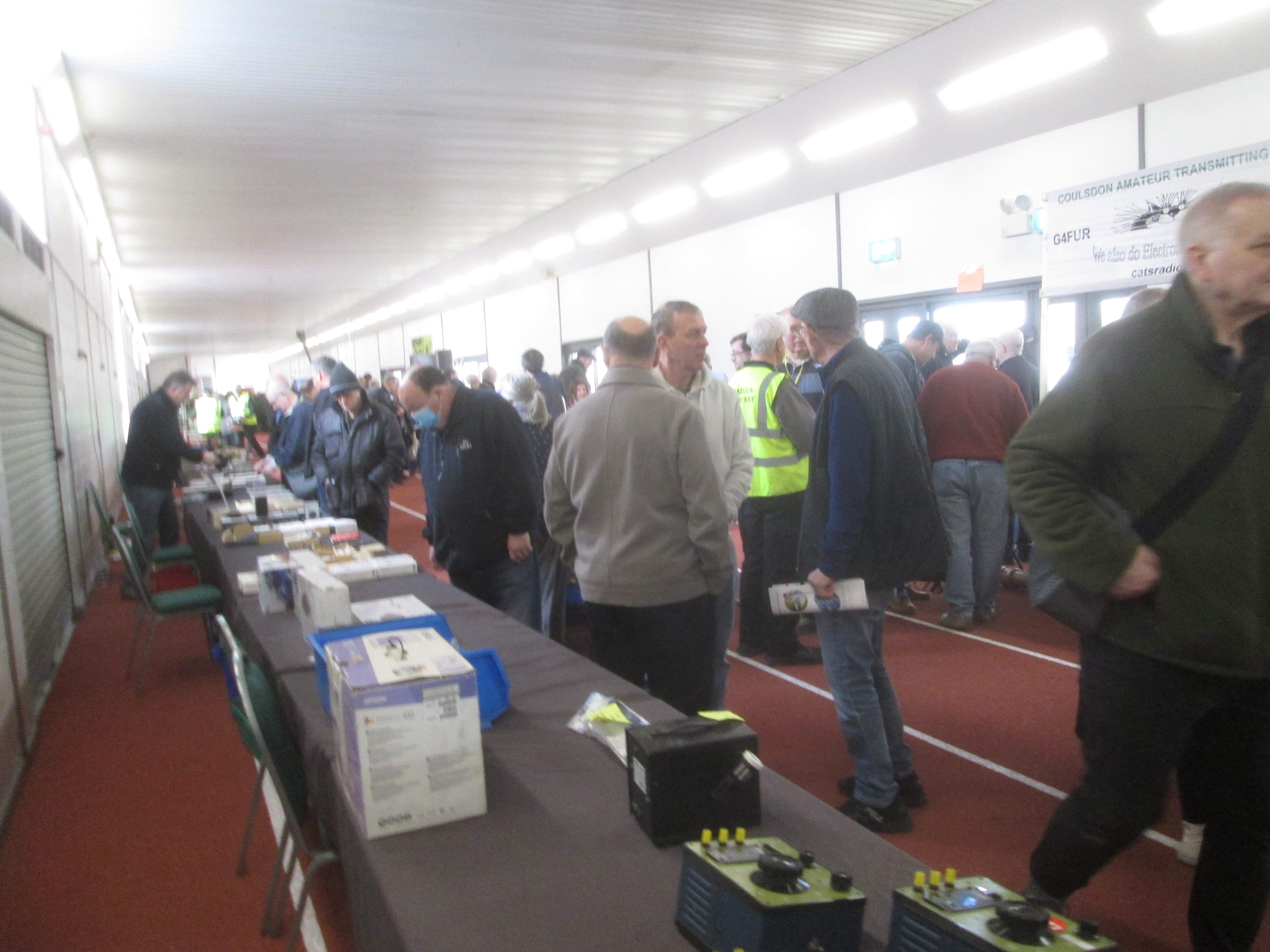
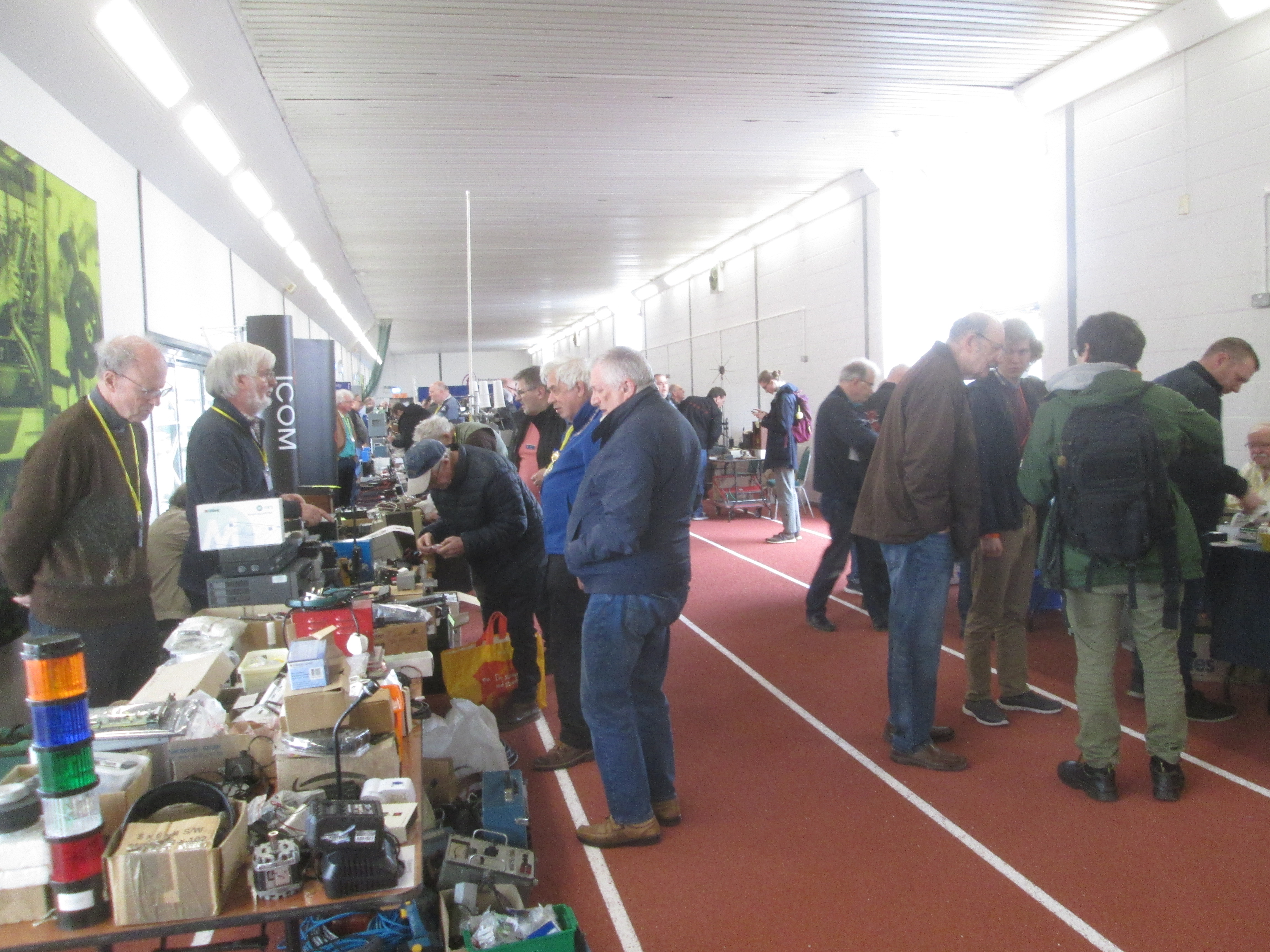
So, what about the rally? I somehow expected it to be bigger than it was. It was hard to judge numbers in a rather differently shaped hall to Canvey, but my impression was that the attendance was about the same as Canvey. Yes, I do know the numbers for Canvey as a club member but that is for us to know. Still, I think we have to say that Hamzilla 2023 was a success, so well done to DARC.

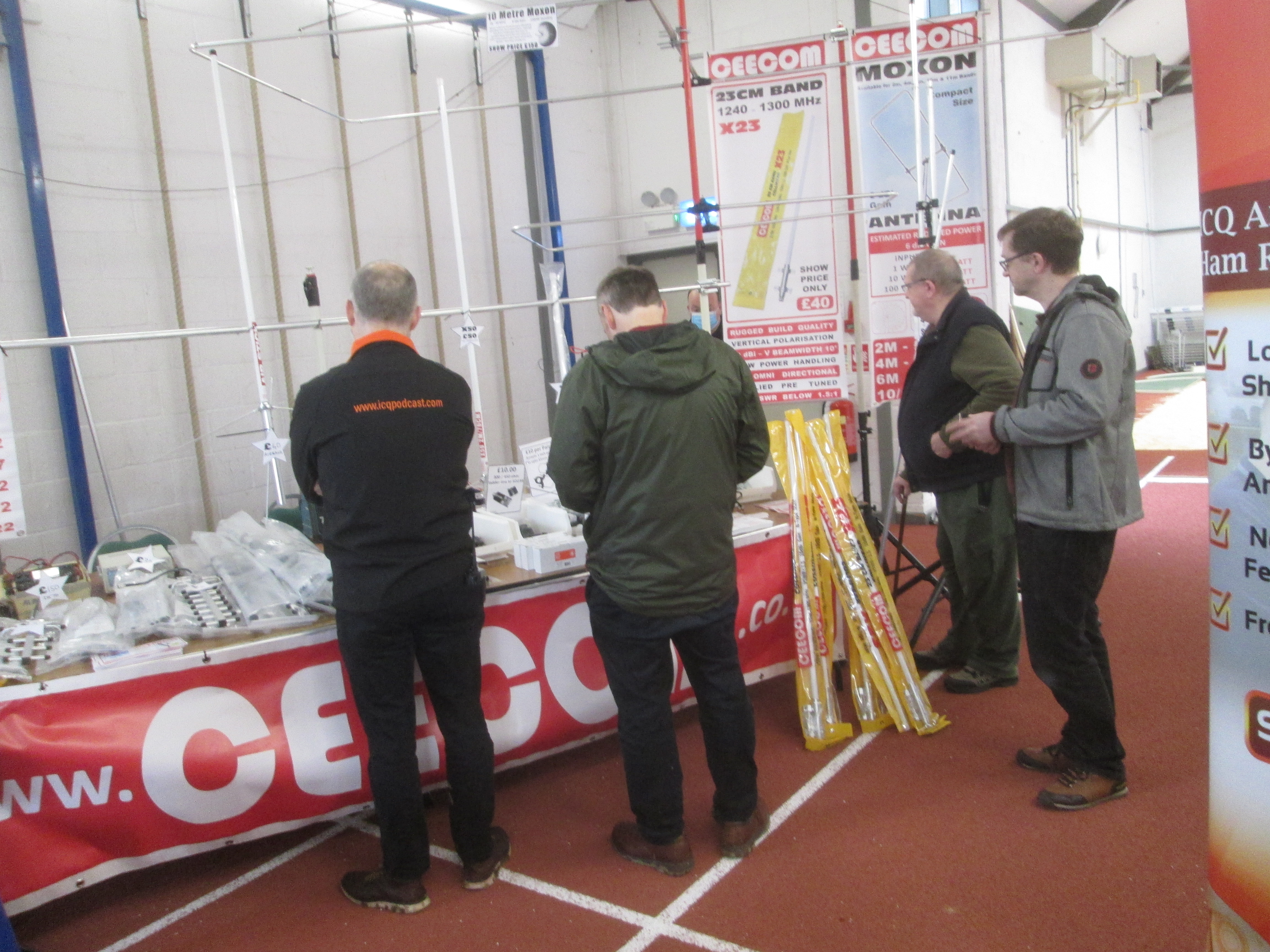
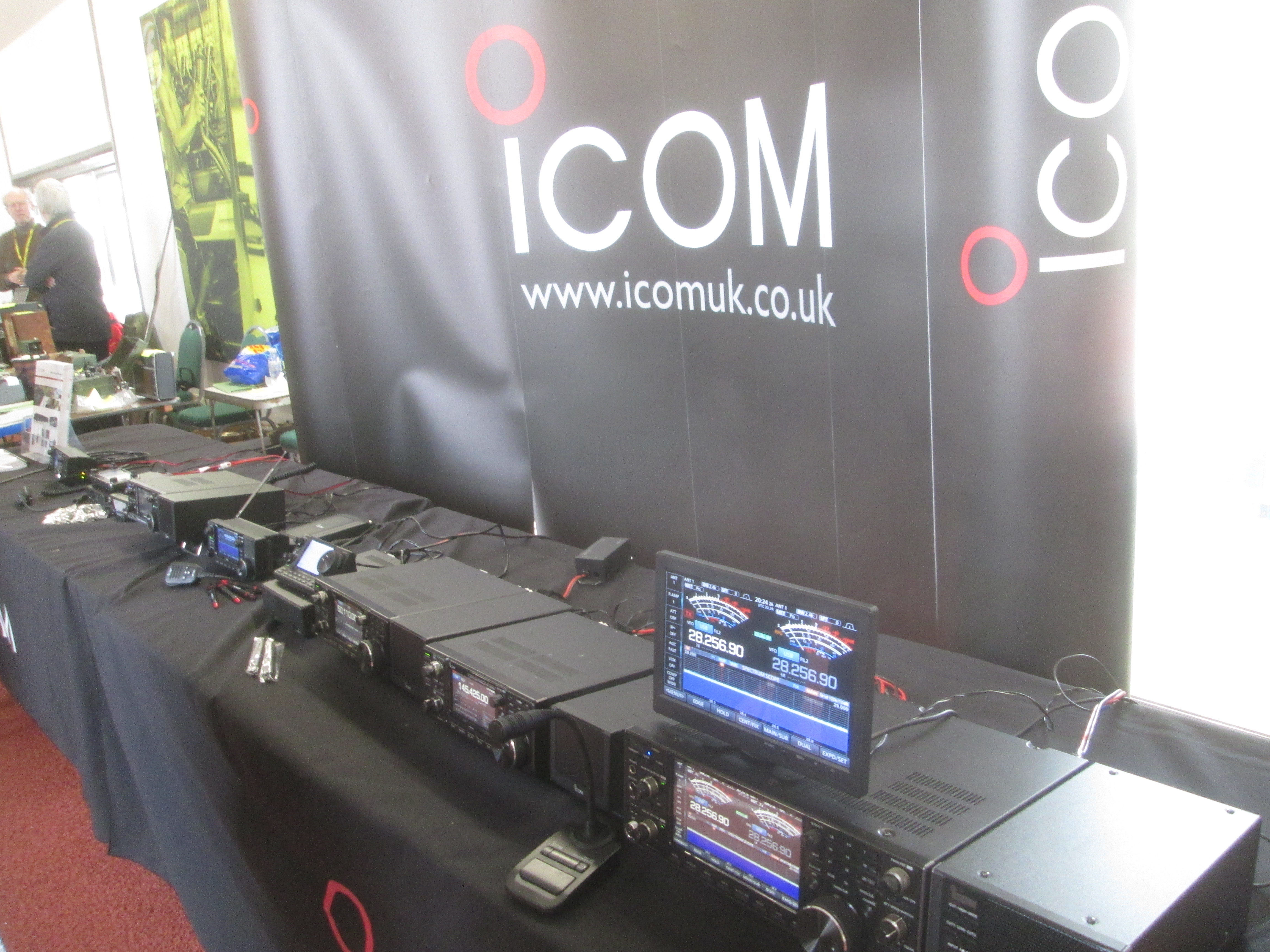
There were plenty of traders and one major manufacturer, ICOM, was there. Of course, their headquarters are local to Ashford, but I was pleased to see them. Clubs were represented as was RAIBC.

ICOM stand
And RAIBC!

I met a few people I knew, so the social aspect was satisfied as far as I was concerned.

The only minor niggle was the venue café, where the service relied on one lady who clearly found it difficult to cope on her own. There was a young chap who was running in and out of the kitchen for her, but she could have done with more support.

All-in-all I feel that Hamzilla was a success and I look forward to next year’s event. Again, well done DARC.